Most Reliable Used Cars in Canada
Finding a dependable used vehicle is about more than choosing a familiar badge. Vehicle age, maintenance history, mileage, driving conditions, accident history, and model-specific concerns can all influence how reliably a car performs over time. The most reliable used cars generally combine a strong record of durability with reasonable maintenance costs, good fuel efficiency, proven safety performance, and lasting resale value.
This guide highlights 10 models Canadian shoppers may want to consider, based on vehicles that perform strongly in used-vehicle rankings and on their broader reputations for durability and value. The models below represent a cross-category shortlist. Reliability can differ between model years, engines, transmissions, and individual vehicles, so every option should be researched and inspected before purchase.
What Makes a Used Car Reliable?
Long-term dependability usually results from proven mechanical components, consistent manufacturing quality, sensible maintenance requirements, and readily available replacement parts. A reliable model should be capable of delivering years of service when properly maintained without exposing its owner to frequent or unusually expensive repairs.
Purchase price is only one part of the equation. Fuel, insurance, scheduled maintenance, replacement tires, brakes, repairs, registration, and depreciation all contribute to the total cost of ownership. The best reliable used cars balance dependability with manageable ongoing expenses and an appropriate level of comfort, capability, technology, and safety.
Canadian driving conditions also matter. Frequent cold starts, road salt, potholes, mountain routes, and stop-and-go traffic can place additional stress on a vehicle. Lower Mainland shoppers should consider how a car has been used and whether it has features suited to wet winters, urban commuting, family travel, or trips to areas with heavier snow.
Top 10 Most Reliable Used Cars for Canadian Shoppers
1. Toyota Corolla
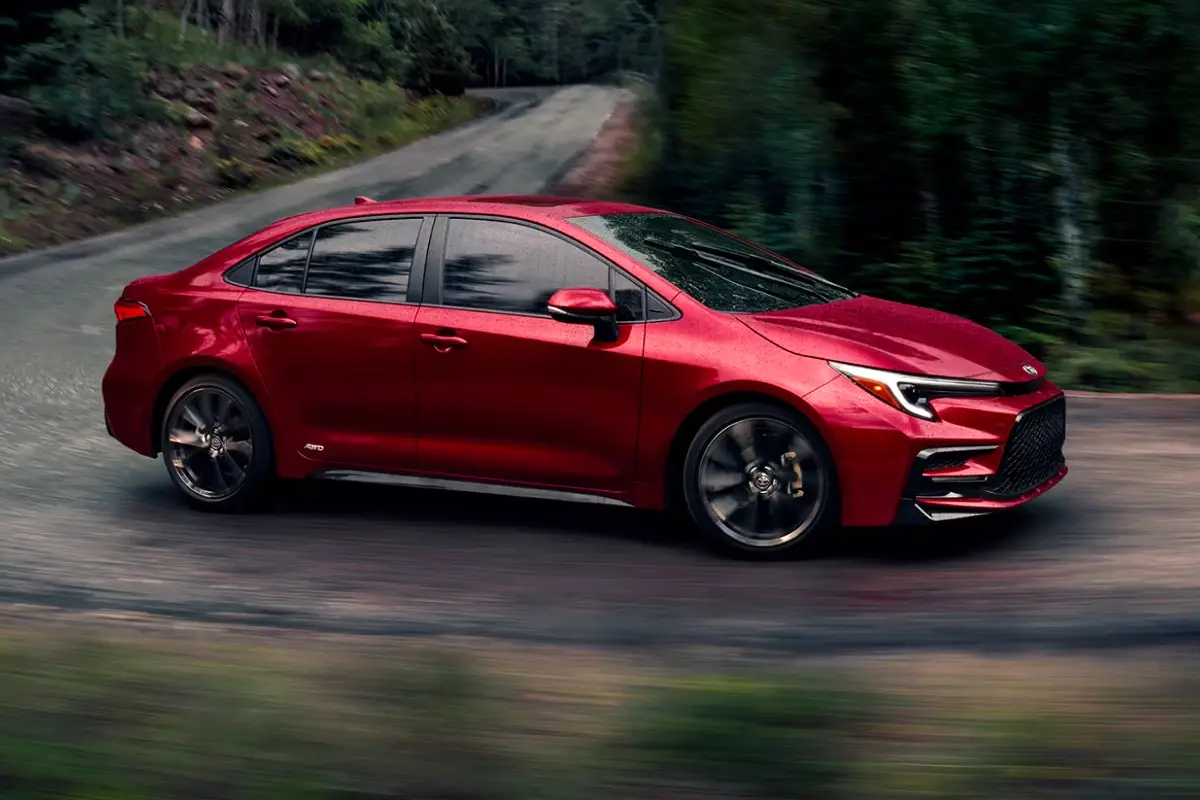
The Toyota Corolla is one of the most reliable used cars for shoppers seeking straightforward, economical transportation. Its compact dimensions suit commuting and city driving, while its generally efficient powertrains help control fuel expenses. Replacement parts are widely available, and many repair facilities are familiar with the model, making routine maintenance easier to manage.
Corolla sedans and hatchbacks are available across multiple model years and trim levels. Before buying, confirm that scheduled oil changes and other maintenance were completed, inspect the brakes and suspension, and research the specific engine and transmission offered in the vehicle.
2. Honda Civic
The Honda Civic is a practical choice for drivers who want efficiency, responsive road manners, and strong everyday usability. Its popularity in Canada means shoppers can find numerous model years, body styles, trims, and price points on the used market. The Civic can work especially well for commuting around Vancouver, Burnaby, Richmond, Surrey, and Coquitlam.
Not every Civic model year has the same reliability record. Research the vehicle’s engine, transmission, air conditioning system, and safety equipment, then verify whether outstanding recalls apply to its vehicle identification number. A pre-purchase inspection remains important even when considering a model with a good overall reputation.

3. Toyota Camry
The Toyota Camry offers more passenger room and highway comfort than many compact sedans while maintaining a reputation for long-term durability. It can be a strong option for families, business travelers, and commuters who want a comfortable vehicle without moving into an SUV.
Gasoline and hybrid versions are available, although their maintenance needs differ. Review service documentation carefully, inspect the suspension and braking system, and confirm that all dashboard controls and driver-assistance features work correctly. For a Camry Hybrid, an assessment of the hybrid system and battery condition can provide additional peace of mind.

4. Honda Accord
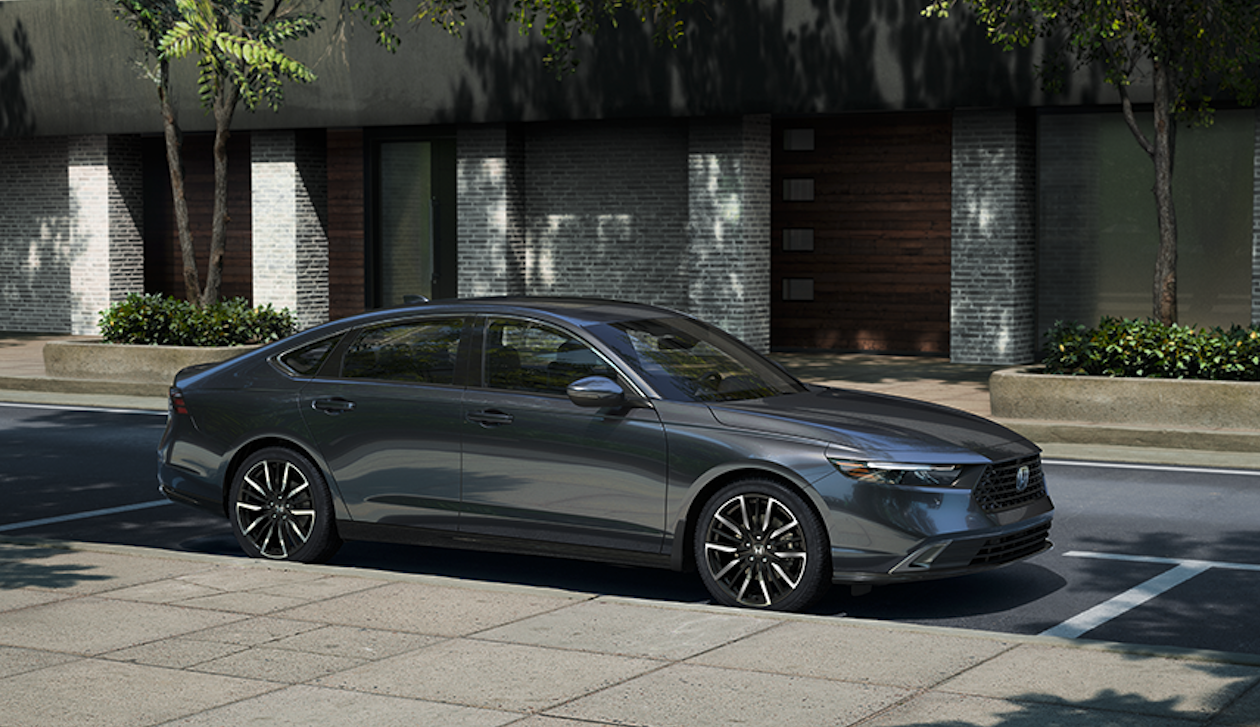
The Honda Accord combines a spacious interior, comfortable highway performance, and practical fuel economy. Depending on the model year, shoppers may encounter naturally aspirated, turbocharged, or hybrid powertrains. This variety makes the Accord suitable for different budgets and driving priorities, but it also makes model-year research particularly important.
Check for consistent fluid changes, review maintenance specific to the engine and transmission, and test every electronic feature. If the vehicle uses a turbocharged engine, look for evidence that the previous owner followed the recommended oil-change schedule.
5. Mazda3
Available as a sedan or hatchback, the Mazda3 can appeal to shoppers who want a compact car with an engaging driving experience and a well-finished cabin. Later models may also offer all-wheel drive, which some Canadian drivers value for travel in winter conditions.
Inspect used examples for corrosion, paint damage, suspension wear, and evidence of regular servicing. The hatchback provides additional cargo versatility, while the sedan may offer better rearward visibility. Shoppers should compare insurance costs and tire prices across trims, particularly for models equipped with larger wheels.
6. Toyota Prius
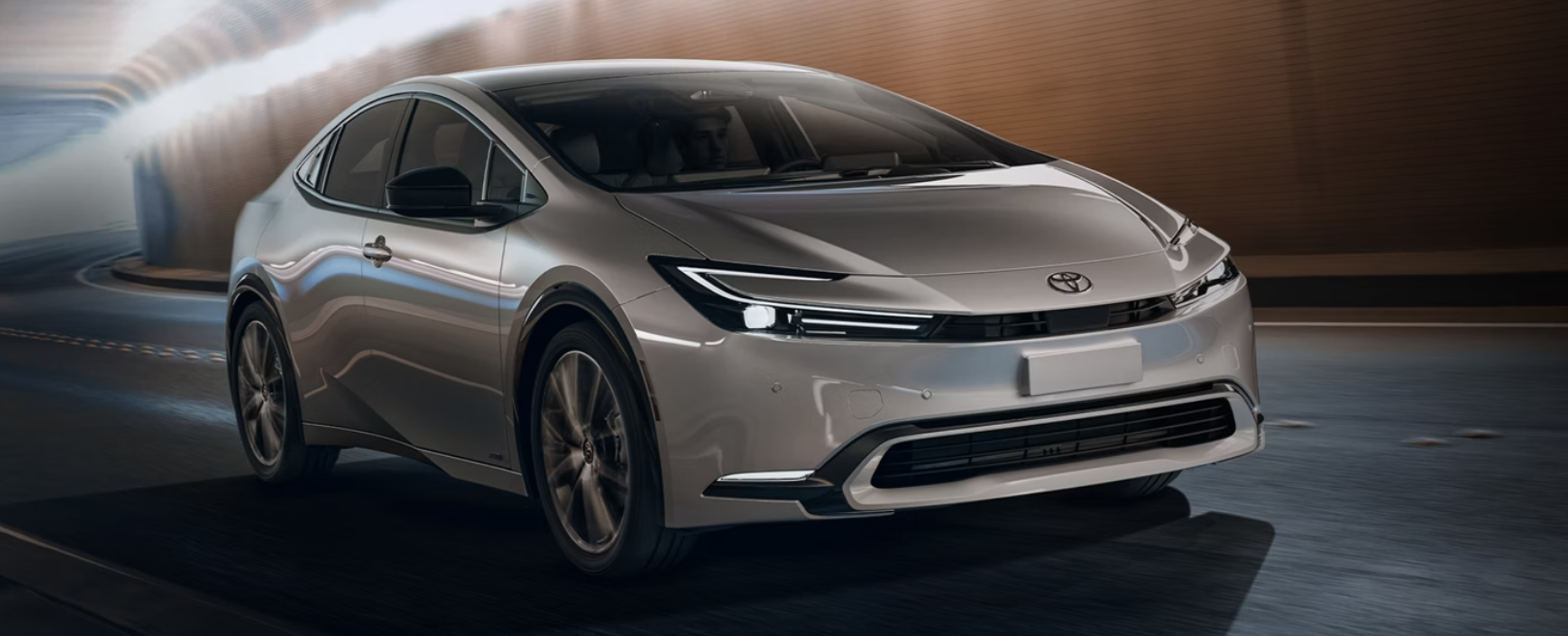
The Toyota Prius is one of the most recognizable used hybrid vehicles and can be a worthwhile choice for drivers who prioritize fuel efficiency. Its hybrid system is especially useful in urban and stop-and-go driving, making it suitable for commuters who spend significant time in Lower Mainland traffic.
The hybrid battery condition should be evaluated before purchase, particularly on older or high-kilometre vehicles. Buyers should also inspect the cooling system, brakes, tires, and underbody. Although regenerative braking can reduce conventional brake wear, age-related corrosion may still affect components on vehicles exposed to road salt or long periods of limited use.
7. Toyota RAV4
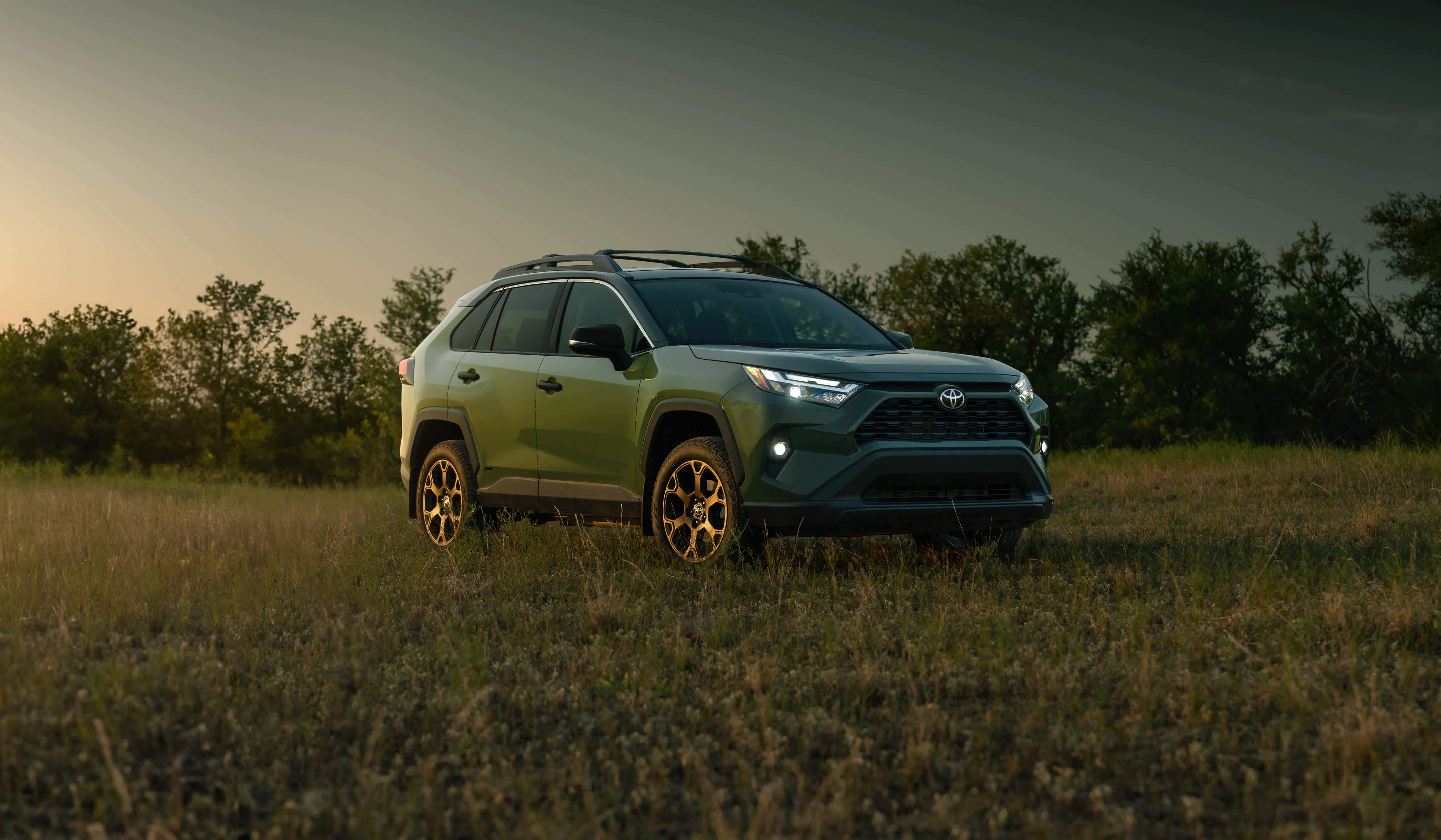
The Toyota RAV4 is a versatile compact SUV that combines passenger space, flexible cargo capacity, and relatively manageable running costs. Gasoline, hybrid, front-wheel-drive, and all-wheel-drive configurations may be available depending on the model year. This range helps shoppers select a RAV4 suited to commuting, family transportation, or weekend travel.
Demand can keep used RAV4 prices relatively high, so reliability should not be the only consideration. Compare mileage, condition, trim features, service history, and asking price with similar compact SUVs. Check the operation of the all-wheel-drive system, where equipped, and inspect the cargo area for moisture or signs of heavy use.
8. Honda CR-V
The Honda CR-V is another well-known compact SUV with a practical cabin, comfortable seating, and useful cargo space. It can suit families, commuters, and drivers who prefer easier entry and a higher seating position than a sedan provides.
Research common concerns for the specific model year and powertrain, especially when comparing naturally aspirated and turbocharged versions. Review oil-change records, check the climate-control system, listen for suspension noise during the test drive, and inspect the underbody. Available all-wheel drive may provide additional traction, but winter tires remain important when travelling into snowy parts of British Columbia.

9. Toyota Tacoma
For shoppers who require a pickup, the Toyota Tacoma is frequently considered for its durability, resale value, and off-road capability. It can accommodate work, towing, outdoor recreation, and travel on rougher roads, depending on its configuration and equipment.
A truck requires a different inspection approach than a sedan or crossover. Look for evidence of commercial use, off-road damage, corrosion, overloading, or frequent towing. Inspect the frame, suspension, four-wheel-drive system, hitch, bed, brakes, and tires. Confirm the truck’s exact payload and towing ratings rather than relying on the model’s advertised maximums, since capability varies by configuration.

10. Lexus ES
The Lexus ES offers shoppers a way to combine long-term value with a more premium cabin and comfortable driving experience. Gasoline and hybrid versions may be available, giving buyers a choice between conventional performance and greater fuel efficiency.
Although the ES may share components with other widely sold vehicles, premium features can increase repair costs. Test the infotainment system, power seats, climate controls, cameras, sensors, and driver-assistance technology. Shoppers should also compare insurance premiums and the cost of model-specific tires, lighting, and interior components before deciding whether the ES fits their ownership budget.
How to Evaluate the Reliability of a Used Vehicle
Review Its Maintenance Records
Service records can reveal whether a vehicle received timely oil changes, fluid replacements, brake work, tire rotations, and other scheduled maintenance. Look for consistent documentation rather than isolated receipts. Missing records do not automatically mean a car was neglected, but they create uncertainty that should influence the inspection and purchase decision.
Compare the documented work with the manufacturer’s maintenance schedule. A vehicle approaching a major service interval may still be dependable, but the cost of upcoming maintenance should be included in your budget.
Research the Model Year and Powertrain
A vehicle nameplate can remain on sale for decades while its engines, transmissions, electronics, and safety systems change substantially. A strong reputation for the model overall does not guarantee that every model year or configuration is equally dependable.
Research technical service bulletins, recalls, owner-reported concerns, and known problems for the exact year, engine, transmission, drivetrain, and trim. Determine whether commonly reported problems are minor inconveniences, predictable wear items, or repairs that could materially affect ownership costs.
Obtain a Vehicle History Report
A vehicle history report may identify reported collisions, registration changes, previous provinces or jurisdictions, odometer records, and other useful details. Treat the report as a single source of information rather than a substitute for an inspection, because damage, maintenance, or repairs may not always be reported.
Compare the report with the car's physical condition. Inconsistent paint, uneven panel gaps, overspray, mismatched tires, moisture inside the cabin, or unusual underbody repairs can justify closer investigation.
Arrange a Pre-Purchase Inspection
An inspection by an independent, qualified technician can identify problems that are difficult to detect during an online review or short test drive. Ask the technician to examine the powertrain, fluids, brakes, steering, suspension, cooling system, tires, electrical equipment, body structure, and underbody.
Hybrid shoppers should request an evaluation from a technician familiar with hybrid systems. Truck buyers may need additional checks for towing wear, off-road damage, and frame condition.
Complete a Thorough Test Drive
Drive the vehicle at both city and highway speeds when possible. Pay attention to cold-start behaviour, warning lights, acceleration, transmission operation, steering response, braking, vibration, wind noise, and suspension sounds.
Test the heating, air conditioning, infotainment system, smartphone integration, cameras, sensors, heated seats, and driver-assistance features. A vehicle may be mechanically dependable but still require costly repairs if its electronic or comfort systems are not functioning properly.
Comparing Reliability, Safety, and Ownership Costs
Reliability should be considered alongside crash-test performance and safety equipment. Check the results for the exact model year, as vehicle structures and available driver-assistance features can change between redesigns. Confirm that recalls have been addressed, and remember that certain safety systems may be optional rather than standard.
Fuel efficiency can also have a significant long-term impact. An efficient sedan or hybrid may cost less to operate during a lengthy commute, while an SUV or truck may provide necessary passenger room, cargo capacity, towing capability, or all-wheel-drive traction. The right choice is the vehicle that satisfies your actual needs without making you pay for capability you rarely use.
Insurance quotes, tire sizes, premium fuel requirements, maintenance schedules, and replacement part costs should be compared before purchase. A model with a higher asking price may offer better value if it has complete maintenance records, lower kilometres, better fuel efficiency, and fewer immediate repair needs.
Choosing the Best Reliable Used Car for Your Needs
Start by defining your maximum purchase budget and estimating ongoing ownership expenses. Commuters may prioritize fuel efficiency and compact dimensions, while families may need rear-seat space and flexible cargo capacity. Drivers who travel into snowy or mountainous regions may value all-wheel drive, ground clearance, heated features, and suitable winter tires. Truck shoppers should calculate their actual towing and payload requirements before choosing a configuration.
ClearCar allows Canadian shoppers to browse used vehicles online, compare model information, review available features, consider financing, and evaluate options from multiple brands. Transparent pricing and convenient online resources can make it easier to narrow your search before choosing one of the best reliable used cars for your budget and long-term goals.
Most Reliable Used Cars FAQs
The Toyota Corolla, Honda Civic, Toyota Camry, Honda Accord, Mazda3, and Toyota Prius are commonly considered by shoppers seeking dependable used cars. However, the condition and maintenance history of a particular vehicle matter just as much as the model’s general reputation.
The Toyota RAV4 and Honda CR-V are two popular options to research. Shoppers may also compare other highly ranked used SUVs after reviewing model-year reliability, safety ratings, fuel economy, maintenance costs, and available all-wheel drive.
The Toyota Tacoma has a strong reputation for durability and resale value. Its condition is especially important because used trucks may have been towed, hauled, used for commercial work, or driven off-road.
A properly maintained hybrid can provide dependable service and excellent fuel efficiency. Buyers should review maintenance records and arrange an inspection that includes the hybrid battery, cooling system, electronics, and related components.
No. Mileage provides useful context, but a well-maintained higher-kilometre vehicle may be a better purchase than a lower-kilometre car with missing service records or extended periods of inactivity. Age, condition, use, maintenance, and model-specific concerns should all be evaluated.
There is no universal limit. A vehicle’s maintenance history and present condition are more informative than an odometer threshold alone. Higher-kilometre vehicles may require more frequent wear-item replacement, so buyers should budget accordingly.
Use the vehicle identification number to check recall information and ask for documentation showing whether previous recall repairs were completed. Because recall information can change, verify it shortly before purchasing.
Yes. Even top reliable used cars can have hidden damage, neglected maintenance, worn components, or model-specific problems. An independent inspection can help you understand the condition of the individual vehicle.
Not necessarily. All-wheel drive can provide useful traction, but it also adds components that may require maintenance or repair. Drivers should choose it based on their routes and seasonal needs rather than assuming it will be more dependable.
ClearCar helps shoppers in Vancouver, Richmond, Burnaby, Coquitlam, Surrey, and neighbouring British Columbia communities compare used cars, SUVs, trucks, and hybrids online. Buyers can review available vehicle details, pricing, and financing options while narrowing their search to a dependable model that fits their needs.